


A garage door making noise is usually your system’s way of signaling friction, loose hardware, or worn parts that need attention before they turn into a bigger repair. That squeak, grind, or bang is rarely just an annoyance, and pinpointing the type of sound is the fastest way to find the fix. This guide walks through the five most common causes, the simple steps to quiet each one, and the warning signs that mean it is time to call a professional in the Louisville, KY area.
Here is what you will learn:
- What each sound means: How to diagnose the problem by the type of noise your door makes.
- The 5 common causes: From dry rollers to a failing opener, and how to quiet each one.
- When to call a pro: The noises that signal a dangerous problem you should not fix yourself.
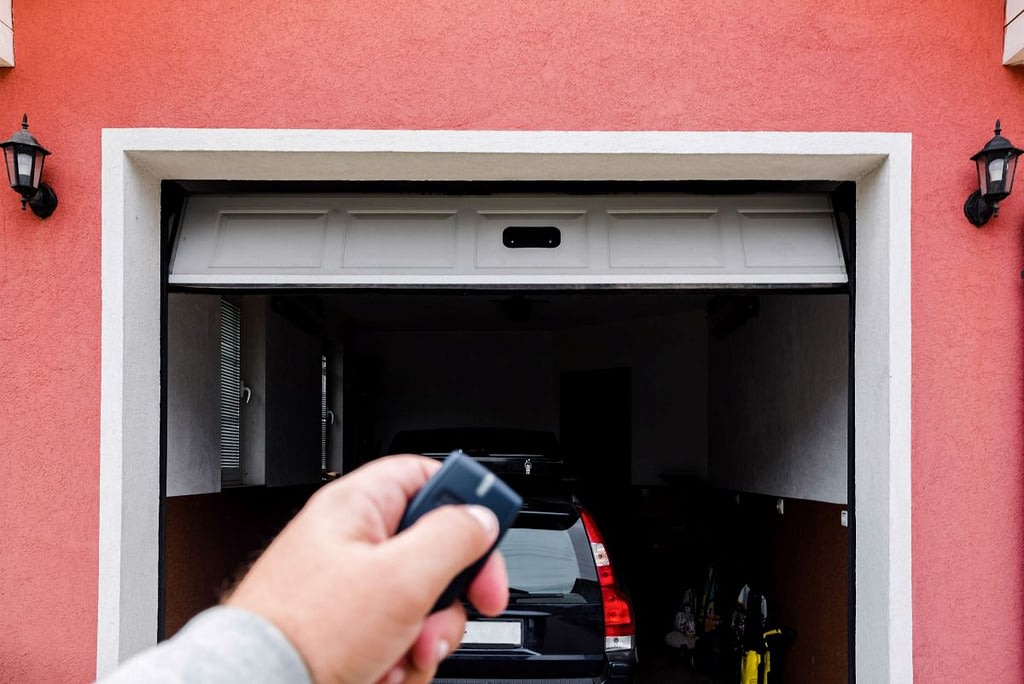
What Does Your Garage Door Noise Mean?
The sound your garage door makes is the single best clue to what is wrong, since different problems produce distinct noises. Learning to match the sound to the cause helps you fix the right thing the first time instead of guessing.
Diagnosing the Problem by Sound
You can diagnose most garage door problems by listening closely to the type of sound before you start any repair. A high-pitched squeal or squeak almost always points to friction and a need for lubrication, while a low, rhythmic rattling or thumping usually means loose hardware. Harsh metallic grinding tends to signal worn rollers or a failing opener, and a loud bang often indicates an off-balance door or a broken spring. Identifying the sound narrows down the cause quickly and tells you whether it is a simple do-it-yourself fix or a job for a professional.
- Squeaking or squealing: Points to friction and dry parts that need lubrication.
- Rattling or thumping: Usually means loose nuts, bolts, or hardware.
- Grinding: Signals worn rollers, bad bearings, or a failing opener.
- Banging or popping: Often indicates an off-balance door or a broken spring.
Why You Should Not Ignore a Noisy Door
Ignoring a noisy garage door risks turning a minor, inexpensive fix into a major repair or a safety hazard. Unusual sounds generally indicate underlying strain from friction, misalignment, or wear, and left unaddressed, that strain can lead to a snapped spring, a door falling off its track, or a burned-out opener motor. Because a garage door is among the heaviest moving objects in your home, a component failure can cause serious injury or property damage. Addressing noise early not only quiets the door but also extends the life of the entire system.
- Small fix now: Early attention keeps a minor issue from escalating.
- Prevents failures: Reduces the risk of snapped springs or a door off its track.
- Protects the opener: Less strain means a longer motor lifespan.
- Safety first: A heavy door failing suddenly can injure people or damage vehicles.
5 Common Causes of a Noisy Garage Door and How To Quiet It
Most garage door noise comes down to five common causes, and several have straightforward fixes you can handle yourself. This section breaks down each cause, the sound it makes, and how to quiet it safely.
1. Dry Rollers, Hinges, and Tracks
A lack of lubrication is the simplest and most overlooked cause of garage door noise, producing squeaks, squeals, and light grinding. Every time the door moves, metal parts like rollers, hinges, springs, and tracks rub against each other, and without lubrication that friction builds into noise. The fix is to apply a garage door specific lubricant, either white lithium grease or a silicone-based spray, to the rollers, hinges, springs, and tracks about every six months. Avoid using WD-40, which acts as a solvent and can strip away protective oils rather than lubricate.
- Common symptom: High-pitched squeaking or squealing during operation.
- The fix: Apply garage door lubricant to rollers, hinges, springs, and tracks.
- Avoid WD-40: It strips protective oils instead of properly lubricating.
- Schedule it: Lubricate roughly every six months to prevent buildup.
2. Worn or Damaged Rollers
Worn rollers commonly cause screeching, squeaking, clicking, or grinding as they degrade and stop rolling smoothly. Rollers guide the door along the tracks, and older steel rollers without ball bearings wear down over time, developing flat spots, cracks, or rust that create noise. If lubrication does not quiet a grinding roller, the roller is likely worn and needs replacement. Upgrading to nylon rollers with ball bearings is a popular fix because they run significantly quieter and require less frequent lubrication than steel.
- Common symptom: Screeching, clicking, or grinding from the roller area.
- Inspect first: Look for flat spots, cracks, or rust on the rollers.
- The fix: Replace worn rollers, ideally with quieter nylon ball-bearing rollers.
- Bonus benefit: Nylon rollers need less lubrication and run more quietly.
3. Loose Hardware
Loose nuts, bolts, and brackets are a frequent cause of rattling, vibrating, and thumping noises during operation. The constant movement and vibration of daily use gradually loosens the fasteners that hold the door and track system together, and once loose, those parts rattle every time the door moves. The fix is to go over the door with a wrench or socket and tighten all the nuts, bolts, and brackets, taking care not to overtighten. This quick maintenance step often silences a rattling door and prevents further wear on the hardware.
- Common symptom: Rattling, vibrating, or rhythmic thumping.
- The fix: Tighten all nuts, bolts, and brackets with a wrench or socket.
- Do not overtighten: Snug is enough, since stripping bolts creates new problems.
- Routine check: Inspect hardware periodically as part of seasonal maintenance.

4. Misaligned or Bent Tracks
Misaligned or bent tracks cause scraping, rubbing, and grinding as the door struggles to move through a distorted path. Tracks can shift over time or bend from an impact, and when they are no longer plumb or properly spaced, the door scrapes against the track walls or binds as it travels. You can check whether the tracks are plumb and correctly spaced from the door, but bent or significantly misaligned tracks are not a safe do-it-yourself repair. Because improperly adjusted tracks can cause the door to come off entirely, track alignment is best handled by a professional.
- Common symptom: Scraping, rubbing, or grinding against the track.
- Check alignment: Look for tracks that are out of plumb or unevenly spaced.
- Call a pro: Bent or misaligned tracks require professional adjustment.
- Safety risk: A door on damaged tracks can come off and fall.
5. A Failing or Straining Opener
A failing opener often produces grinding, straining, or unusually loud operating noises as its motor or gears wear down. Openers wear out over time, especially older units, and signs of trouble include slow movement, excessive noise, and inconsistent performance alongside the grinding sound. Sometimes the noise transfers through the mounting bracket, and placing a rubber pad between the bracket and the wall or ceiling can dampen vibration. If the opener itself is failing, replacing an outdated unit with a modern belt-drive model improves both quiet operation and reliability.
- Common symptom: Grinding or straining from the motor, plus slow or erratic movement.
- Dampen vibration: A rubber isolation pad at the mounting bracket reduces transferred noise.
- The fix: A failing opener often needs professional repair or replacement.
- Quieter upgrade: Modern belt-drive openers run far quieter than older chain drives.
When Should You Call a Professional for a Noisy Garage Door?
Some garage door noises point to problems that are unsafe to fix yourself and require a trained technician. This section covers which sounds warrant a professional and how routine maintenance prevents noise in the first place.
Some of these noises point to parts that are unsafe to handle yourself, which is why routine care matters so much. According to Family Handyman, a widely trusted home-improvement resource, the average garage door goes up and down more than a thousand times a year, and without regular maintenance a neglected door can become as noisy as a locomotive while also posing a safety risk to your family. Spring and cable problems in particular should be left to a professional, since those components are under extreme tension.
Noises That Signal a Dangerous Problem
A loud bang, a popping sound, or a door that suddenly becomes heavy and off-balance can signal a broken spring, which is dangerous to handle yourself. Torsion and extension springs are under extreme tension, and a snapped spring can cause serious injury if you attempt a repair without training and the right tools. Other warning signs include a door that moves unevenly, jerks, or has come partially off its track. In any of these situations, stop using the door and contact a garage door professional rather than risk injury or further damage.
- Loud bang: Often the sound of a spring snapping under tension.
- Sudden heaviness: A door that becomes hard to lift may have a broken spring.
- Uneven movement: Jerking or crooked travel signals a cable or track problem.
- Off the track: A door partially off its track needs immediate professional attention.
How Routine Maintenance Prevents Noise
Routine maintenance is the most effective way to keep a garage door running quietly and to catch small problems before they become expensive. A professional tune-up typically includes lubricating all moving parts, tightening hardware, inspecting rollers and cables, checking spring tension, and testing the door’s balance. Because many noise-causing issues stem from normal wear that accelerates without upkeep, seasonal maintenance extends the life of the system and reduces emergency repairs. Scheduling a tune-up once or twice a year keeps the door quiet and helps avoid being caught off guard by a failure.
- Full tune-up: Includes lubrication, hardware tightening, and component inspection.
- Balance check: A professional confirms the door is properly balanced and safe.
- Fewer emergencies: Regular upkeep reduces surprise breakdowns and repairs.
- Twice a year: Spring and fall maintenance keeps the system running smoothly.
Frequently Asked Questions
Why is my garage door suddenly so loud?
A garage door that suddenly gets louder is usually signaling a new problem such as a dry or worn roller, loosened hardware, or a component nearing the end of its life. Start by identifying the type of sound, since squeaks point to lubrication needs and grinding or banging suggests worn parts. If a simple lubrication and hardware check does not help, have a professional inspect it.
What should I use to lubricate my garage door?
Use a garage door specific lubricant, either white lithium grease or a silicone-based spray, on the rollers, hinges, springs, and tracks. Avoid WD-40, which is a solvent that can strip protective oils rather than lubricate. Applying the right lubricant every six months keeps the door quiet and reduces wear.
Can I fix a noisy garage door myself?
You can handle several common causes yourself, including lubricating moving parts, tightening loose hardware, and replacing worn rollers. However, anything involving springs, cables, or bent tracks should be left to a professional because of the high tension and safety risks. When in doubt, a professional inspection is the safer choice.
How often should a garage door be serviced?
Most professionals recommend servicing a garage door once or twice a year, typically in spring and fall. Regular maintenance including lubrication, hardware tightening, and component inspection keeps the door quiet and extends its lifespan. Households that use the garage as a main entrance may benefit from more frequent service.
Is a grinding garage door dangerous?
A grinding noise is more serious than a squeak and should be addressed promptly, since it often indicates worn rollers, bad bearings, or a failing opener. While grinding itself may not be immediately dangerous, ignoring it can lead to component failure. If lubrication does not resolve it, have a professional diagnose the cause.
Why does my garage door bang when it opens or closes?
A banging or popping noise usually means the door is off-balance or has a spring problem. Balance issues can stem from aging springs, drive system problems, or accidental impact. Because banging can signal a spring under stress, it is best to have a professional inspect the door rather than continue operating it.

Why Cunningham Door & Window Is the Right Choice for Your Noisy Garage Door
When a garage door making noise turns out to be more than a simple lubrication fix, Cunningham Door & Window is the trusted local expert for homeowners across Louisville, Saint Matthews, Prospect, Anchorage, Jeffersonville, New Albany, Crestwood, and La Grange. As the area’s oldest and largest overhead door company with three generations of experience, the team can quickly diagnose whether that squeak, grind, or bang is a worn roller, loose hardware, a misaligned track, or a dangerous spring problem, and repair it safely and correctly. Because noises like banging and grinding often point to high-tension components that are unsafe to handle without training, having a seasoned professional inspect and service your door protects both your safety and your investment. With 24/7 emergency repair support and thorough maintenance service, Cunningham helps keep your door running quietly for years.
If your garage door is squeaking, grinding, rattling, or banging, reach out to Cunningham Door & Window for expert guidance and request a free quote today. The team will pinpoint the source of the noise, explain your options clearly, and get your door operating quietly and safely again, so you can stop dreading every time it opens.


