Patio door replacement is often the smartest fix when an aging sliding or hinged door starts leaking air and driving up your energy bills. A drafty patio door quietly makes a room colder in winter and warmer in summer while forcing your heating and cooling system to work overtime. This guide walks through the five clearest signs your patio door is letting in drafts, explains when replacement beats repair, and covers what to expect so Louisville, KY homeowners can decide with confidence before another cold season.
Here is what you will learn:
- The 5 draft signs: The clearest symptoms that your patio door is leaking air.
- Repair or replace: When a quick fix works and when replacement patio doors are the better call.
- Styles and materials: The patio door options, from sliding to French, that fit your home and budget.

Why Do Patio Doors Start Letting in Drafts?
Patio doors start letting in drafts as their seals, weatherstripping, and hardware wear out over years of use and weather exposure. Understanding why they fail helps you tell whether a repair will hold or a replacement is the better investment.
How Patio Doors Lose Their Seal
Patio doors lose their seal over time as weatherstripping hardens, glass seals fail, and frames shift or warp. The large glass area and moving panels of a patio door create many points where air can eventually leak, and the compression seals and sweeps that keep it tight degrade with age and sun exposure. Once the insulated glass unit’s seal fails or the frame warps, fresh weatherstripping alone often cannot restore a tight closure. This is why an older patio door can turn into a steady source of drafts even when it still opens and closes.
- Worn weatherstripping: Seals harden and flatten, letting air pass around the panel.
- Failed glass seal: A broken insulated glass seal lets the unit lose its insulation.
- Frame movement: Warped or shifted frames create gaps that air leaks through.
- Age and sun: Years of weather and UV exposure break down sealing components.
When Repair Makes Sense Versus Replacement
Repair makes sense for a single worn component, while replacement is the better call when several problems appear at once. A door that simply sticks or has one worn weatherstrip can often be fixed by cleaning the track, adjusting the rollers, or replacing the sweep. However, when drafts, fogging, difficult operation, and rising bills show up together, they usually point to a failing door rather than one bad part. In that case, replacing the whole unit resolves the problems more completely and cost-effectively than fixing them one at a time.
- Repair fits: A single sticking panel or one worn weatherstrip is often repairable.
- Replace fits: Several issues at once signal a failing door, not one part.
- Cost logic: Repeated repairs can add up to more than a new door.
- Complete fix: Replacement resolves drafts, fogging, and operation together.
5 Signs Your Patio Door Is Letting in Drafts
Five clear signs indicate your patio door is leaking air and may be due for replacement. This section breaks down each one so you can check your own door and know whether it is time to act.
1. You Feel Air Leaks Around the Frame
Feeling a draft near a closed patio door is the clearest sign that its seal has failed and air is getting in. On a cold or windy day, hold your hand or a lit candle near the frame edges, the handle, and the bottom sweep, and a flickering flame or a noticeable cold stream means air is leaking through. You may also feel the room stay uncomfortable no matter how much you adjust the thermostat. When air moves freely around a closed door, worn weatherstripping or a warped frame is usually to blame.
- The candle test: A flame that flickers near the frame reveals an air leak.
- Where to check: Test the frame edges, handle, and bottom sweep.
- Comfort clue: Rooms that stay drafty despite the thermostat signal leakage.
- Common cause: Worn weatherstripping or a warped frame lets air through.
2. Condensation or Fog Appears Between the Glass Panes
Fogging or moisture trapped between the glass panes signals that the sealed insulated glass unit has failed, taking the door’s insulation with it. Modern patio doors use two panes with sealed air or gas between them, and when that seal breaks, moisture seeps in and condensation forms where you cannot wipe it away. This is different from surface condensation on the room side, which is normal in humid conditions. Fog between the panes means the door is no longer insulating properly and is a strong sign replacement is needed.
- Trapped moisture: Fog between the panes means the glass seal has failed.
- Lost insulation: A failed seal lets the insulating gas escape.
- Not the same as surface fog: Room-side condensation is normal and not a concern.
- Cannot wipe it away: Moisture you cannot reach confirms the seal is broken.
3. The Door Is Hard to Open or Close
A patio door that sticks, drags, or will not latch properly often has worn or damaged components that also compromise its seal. A sliding door should glide with a gentle push, and a hinged door should swing smoothly, so resistance points to worn rollers, a damaged track, or a warped frame. A door that will not close or latch fully leaves a gap that lets drafts in and weakens security. While cleaning the track or adjusting rollers sometimes helps, persistent difficulty alongside drafts usually means the door is failing.
- Should glide easily: A healthy door moves with a gentle push or swing.
- Resistance clue: Sticking or dragging points to worn rollers or a bad track.
- Latch gap: A door that will not close fully lets drafts in and hurts security.
- Persistent trouble: Difficulty plus drafts usually signals a failing door.
4. Your Energy Bills Are Climbing
Rising heating and cooling bills, without a change in usage or rates, often trace back to a patio door that is leaking conditioned air. A large glass door that no longer seals forces your HVAC system to run longer to hold the temperature, and that extra work shows up on your monthly bill. If the increases line up with the door’s age or with visible drafts and fogging, the door is a likely culprit. A new, well-sealed patio door reduces that air loss and can ease the load on your heating system.
- Unexplained increases: Higher bills without usage changes point to air loss.
- HVAC strain: A leaky door makes heating and cooling run longer.
- Timing clue: Bill spikes that match the door’s age or wear are telling.
- The fix: A sealed replacement door reduces air loss and eases HVAC load.
5. You See Water Leaks or Frame Damage
Water pooling near the threshold or visible rot, warping, or cracks in the frame indicates deterioration that also lets in drafts. Moisture around the door can damage floors, walls, and even lead to mold, and it signals that the weatherstripping or frame has failed. Warped, rotted, or cracked frames cannot hold a tight seal, so drafts and water intrusion often appear together. When you see this kind of damage, replacement protects both your comfort and your home from further harm.
- Water intrusion: Pooling near the threshold signals failed sealing.
- Frame deterioration: Rot, warping, or cracks prevent a tight seal.
- Home damage risk: Moisture can harm floors, walls, and invite mold.
- Replacement protects: A new door stops both drafts and water intrusion.

What Should You Expect From Patio Door Replacement?
Knowing what to expect from patio door replacement, from patio door styles and materials to timeline, helps you plan this home improvement project with confidence. A new patio door can transform a room with more natural light and a tighter seal, and this section covers the options and why professional installation matters.
According to the U.S. Department of Energy, roughly 10 to 20 percent of the annual average cost of energy in the United States is wasted due to drafts, air leaks around openings, and outdated heating and cooling systems, which is why sealing those leaks is a key way to lower energy use and costs. A drafty patio door is one of those leaks, so replacing a failing one directly targets that wasted energy.
Sliding Versus Hinged Patio Doors
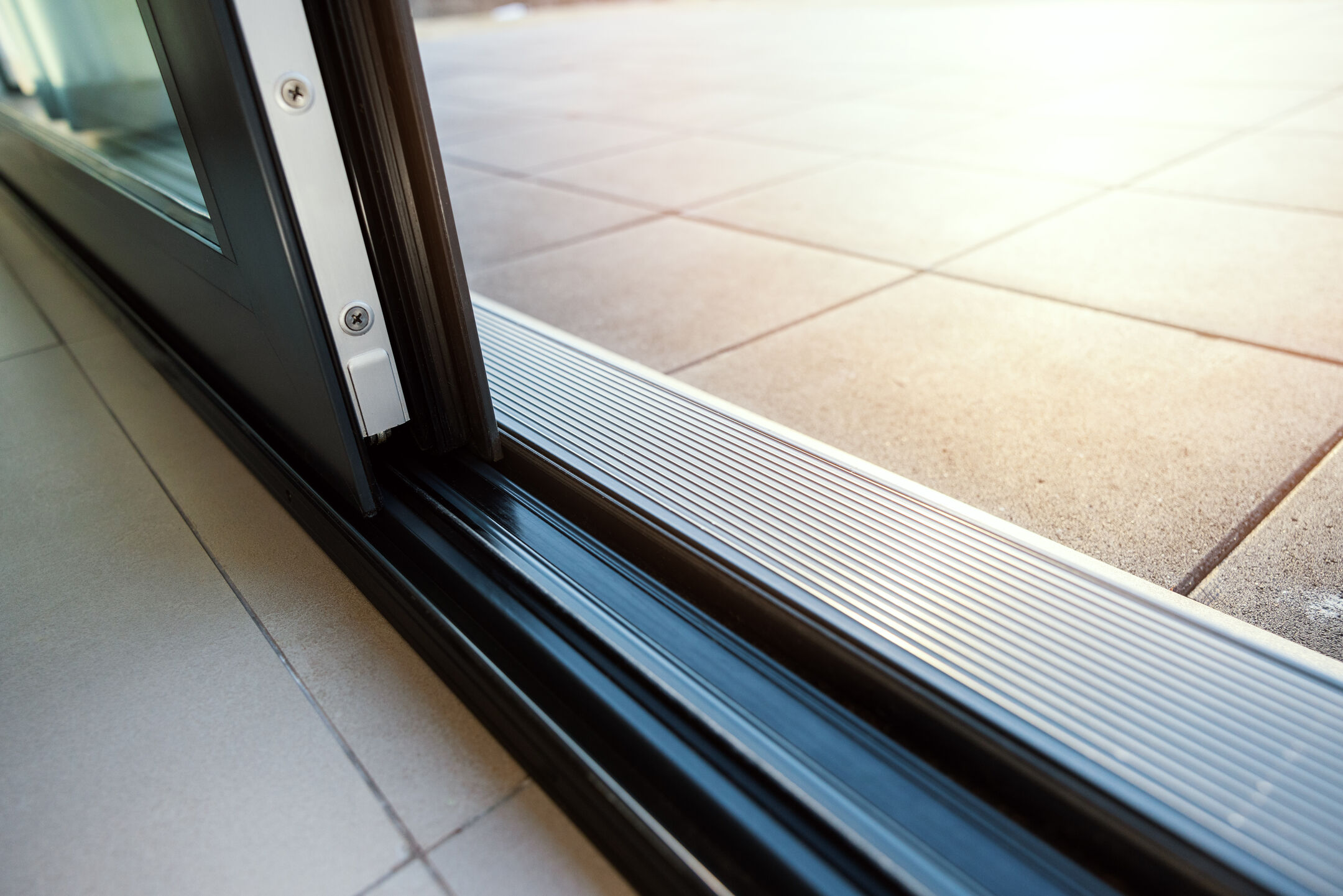
Both sliding and hinged patio doors make excellent replacements, with the right choice depending on your space and how you use the room. Sliding patio doors glide along a track and take up no swing space, making them ideal for saving space where floor area is tight or furniture sits nearby. Hinged or French patio doors, which function as swinging doors, open for wider, more expansive openings and a traditional look that lets in plenty of fresh air, but they need clearance to swing. Either style can be ordered as an energy-efficient, well-sealed unit, so the decision comes down to space, style, and preference.
- Sliding doors: Glide on a track and need no swing clearance, saving space.
- Hinged or French doors: Swing open for a wider opening and classic look.
- Space matters: Sliding suits tight rooms; hinged needs swing clearance.
- Both efficient: Either style is available as a sealed, efficient unit.
Patio Door Materials to Consider
Patio door materials range from vinyl to wood to aluminum, each with different strengths in cost, maintenance, and appearance. Vinyl patio doors are popular for their low maintenance, solid energy efficiency, and budget-friendly price, making them a practical choice for many homes. Wood patio doors offer warmth and a classic look, often as an aluminum-clad exterior that pairs a wood interior with a weather-resistant outer shell for less upkeep. Aluminum patio doors are strong and slim-framed for more glass and natural light, though plain aluminum conducts heat more readily than vinyl or clad wood.
- Vinyl patio doors: Low maintenance, energy efficient, and budget-friendly.
- Wood patio doors: Warm, classic looks, often with an aluminum-clad exterior.
- Aluminum patio doors: Strong and slim-framed for more glass, though less insulating.
- Match the home: The right material balances cost, upkeep, and style.
Why Professional Installation Matters
Professional installation matters because a patio door only delivers its energy and comfort benefits when it is fitted square and sealed tightly. A large door that is out of alignment will not close properly, leaks the drafts it is meant to block, and can bind or sag over time. Correct installation ensures the door seals against its weatherstripping, the threshold is watertight, and the panels operate smoothly for years. Most standard patio door replacements are completed in a day, and working with an experienced local installer protects both the performance and the lifespan of your new door.
- Square fit: Proper alignment lets the door close and seal correctly.
- Watertight threshold: Good installation blocks both drafts and water.
- Single-day job: Most standard replacements are completed in a day.
- Lasting value: Expert fitting protects performance and lifespan.
Frequently Asked Questions
How do I know if my patio door needs to be replaced?
Common signs include drafts you can feel near the frame, condensation or fog trapped between the glass panes, difficulty opening or closing, water leaks near the threshold, visible frame rot or warping, and rising energy bills. If several of these appear at once, replacement is usually more practical than repairing one issue at a time. A single worn part can often be repaired instead.
Can you just replace the glass in a patio door?
Sometimes, if only the sealed glass unit has failed and the frame and hardware are still sound, the glass can be replaced. However, if the frame is warped or rotted, the weatherstripping has failed, and the door operates poorly, replacing the whole door is usually the more complete and cost-effective solution. A professional can assess which approach fits your door.
How long does patio door replacement take?
Most standard patio door replacements take about four to eight hours, so they are typically completed in a single day. Custom sizes, structural changes, or difficult access can add time. Your installer confirms the timeline during an on-site assessment.
Is a drafty patio door worth replacing?
Yes, a drafty patio door is worth replacing because it wastes energy, raises your bills, and makes rooms uncomfortable year-round. The Department of Energy notes that drafts and air leaks waste a significant share of home energy. A new, well-sealed door improves comfort and reduces that air loss.
Should I choose a sliding or French patio door?
Choose a sliding door if floor space is limited or furniture sits near the opening, since it needs no swing clearance. Choose a hinged or French door if you want a wider, more dramatic opening and have room for the panels to swing. Both are available as energy-efficient, well-sealed units.
Can a drafty patio door be repaired instead of replaced?
Minor draft issues from a single worn weatherstrip or a dirty track can sometimes be repaired. But if the glass seal has failed, the frame has warped, or multiple problems appear together, repairs often will not hold and replacement is the better value. Have a professional evaluate the full door before deciding.

Ready for a Draft-Free Patio Door? Call Cunningham Door & Window
When a drafty patio door is making your home less comfortable and your energy bills higher, Cunningham Door & Window is the trusted local expert for homeowners across Louisville, Saint Matthews, Prospect, Anchorage, Jeffersonville, New Albany, Crestwood, and La Grange. As an experienced local provider offering patio door sales and professional installation, the team can assess whether a repair or a full replacement makes more sense, help you choose between sliding and hinged styles, and install your new door with the square, tight-sealing fit that stops drafts and water for good. Because a patio door only delivers its comfort and energy savings when it is installed correctly, working with a seasoned local installer protects both your investment and your comfort through Kentucky’s cold winters and humid summers.
If your patio door is drafty, foggy, sticking, or driving up your energy bills, reach out to Cunningham Door & Window for expert guidance and request a free quote today. The team will evaluate your door, walk you through your replacement options, and give you a clear installed price, so you can enjoy a comfortable, draft-free room again.