


A failing garage door opener battery can leave you stuck outside or unable to close your garage when you need it most. While many homeowners rely on their opener daily, the backup battery is often overlooked until it stops working. Knowing the signs of a dead battery and how to respond can save time, prevent frustration, and keep your garage operating reliably.
Most modern garage door openers include a backup battery that allows the door to function during power outages. When that battery dies, you may notice warning signals or reduced performance before it stops working entirely. Homeowners in Louisville, KY can count on our team for fast battery replacement and full opener service when issues arise.
- Prevents getting locked out: A working battery keeps your door operational during outages.
- Supports safety features: Ensures the opener responds properly when needed.
- Easy to replace: Most batteries can be swapped quickly with the right steps.
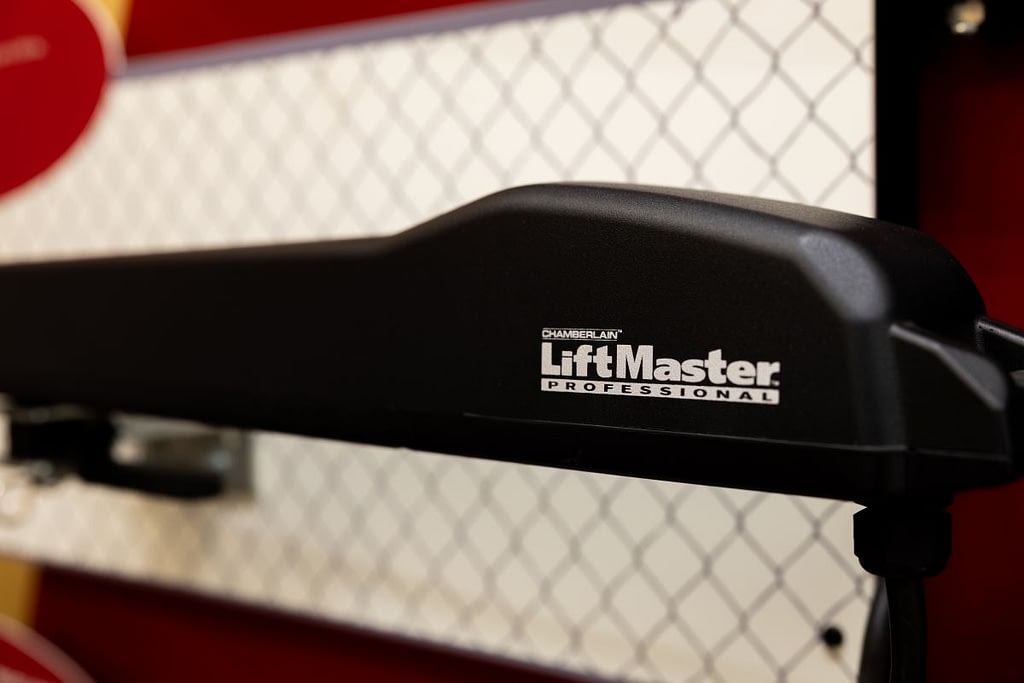
What a Garage Door Opener Battery Does
Garage door opener batteries serve as a backup power source, allowing your system to function even when your home loses electricity. This is especially important for homeowners who rely on their garage as a primary entry point.
Without a functioning battery, your opener may not respond during outages, forcing you to use the manual release system.
Why Backup Batteries Matter
Backup batteries are designed to keep your garage door operational in critical moments.
- Power outage access: Allows you to open and close the door without electricity.
- Safety and security: Prevents your garage from being stuck open or closed.
- Convenience: Eliminates the need to manually lift a heavy garage door.
Many newer garage door openers are required to include battery backup systems for safety compliance.
Signs Your Battery Is Dead or Failing
Most garage door openers provide warning signs before the battery completely fails.
- Beeping sounds: Many openers beep every 30–60 seconds when the battery is low.
- Flashing indicator lights: Signals that the battery needs replacement.
- Slow or unresponsive operation: The door may struggle to open or close.
- Battery age: Most opener batteries last 1 to 3 years.
Recognizing these signs early helps prevent unexpected issues.
6 Steps To Fix a Dead Garage Door Opener Battery
If your garage door opener battery is no longer working, follow these steps to safely replace or troubleshoot it.
1. Identify the Battery Issue
Start by confirming that the battery is the source of the problem.
- Listen for beeping: Indicates low battery power.
- Check indicator lights: Look for warning signals on the opener.
- Test during outage: If the door does not respond without power, the battery may be dead.
This helps rule out other issues like wiring or motor problems.
2. Locate the Battery Compartment
The battery is typically housed inside the garage door opener unit.
- Check the back or side panel: Most compartments are easy to access.
- Look behind the light cover: Some models hide the battery inside.
- Refer to your opener manual: Helps identify the exact location.
Always make sure you can safely reach the opener before proceeding.
3. Disconnect Power for Safety
Before handling the battery, disconnect the opener from its power source.
- Unplug the opener: Prevents electrical hazards.
- Avoid accidental activation: Keeps the door from moving during replacement.
- Ensure a safe workspace: Use a stable ladder if needed.
Safety should always come first when working with garage door systems.
4. Remove the Old Battery
Carefully take out the existing battery from the compartment.
- Disconnect the terminals: Note the positive and negative connections.
- Remove mounting clips if present: Some batteries are secured in place.
- Inspect for corrosion: Clean any buildup before installing a new battery.
Proper removal helps ensure the new battery will connect correctly.
5. Install the New Battery
Insert the replacement battery and reconnect the terminals.
Recent Articles
Our Information Center


